Explore

Experience Earth, our solar system, nearby asteroids, the universe,
and the
spacecraft exploring them with immersive real-time 3D web-based
apps.
Start exploring your solar system now!
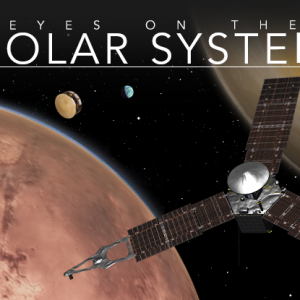
Real-Time 3D Data Visualization – Past, Present, Future
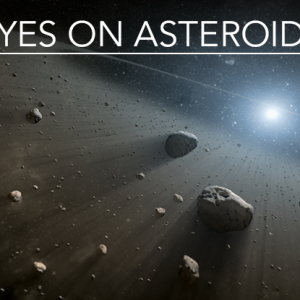
Tracking near-Earth objects in real-time 3D
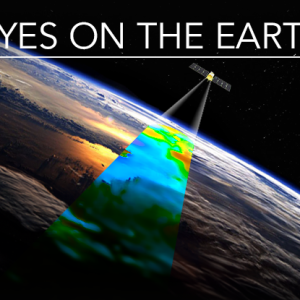
See the latest Earth Data in 3D
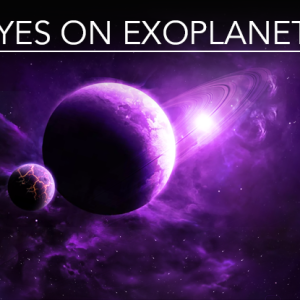
Explore alien worlds in 3D
NASA’s Eyes is a suite of 3D visualization applications that allows everyone to explore and understand real NASA data and imagery in a fun and interactive way. The apps are all run inside a regular web browser, so any device with an internet connection and a browser can run them.
Ready to explore hundreds of planets, moons, asteroids, comets, and NASA missions from start to finish? Explore now by clicking on the “Start Exploring” buttons below, each of which launch a separate window in your browser.
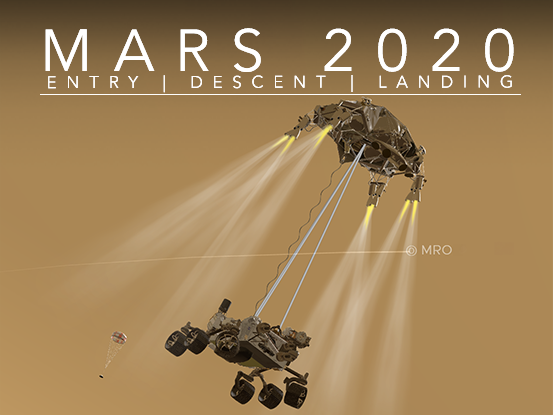
Land the Perseverance rover on Mars, step by step.
View in Mars 2020 EDLSee the next 5 asteroids approaching Earth.
View in Eyes on AsteroidsSee the first flyby of Pluto in 2015.
View in Eyes on the Solar SystemSee the Cassini mission fly between the rings of Saturn and the planet itself, in the famous Grand Finale.
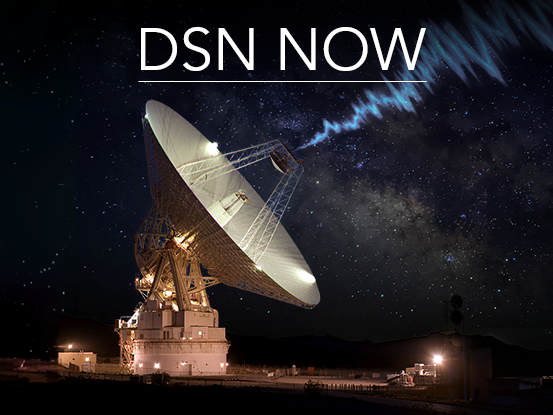
View in Eyes on the Solar SystemCheck out all of the missions transmitting data to Earth, live.
View in DSN Now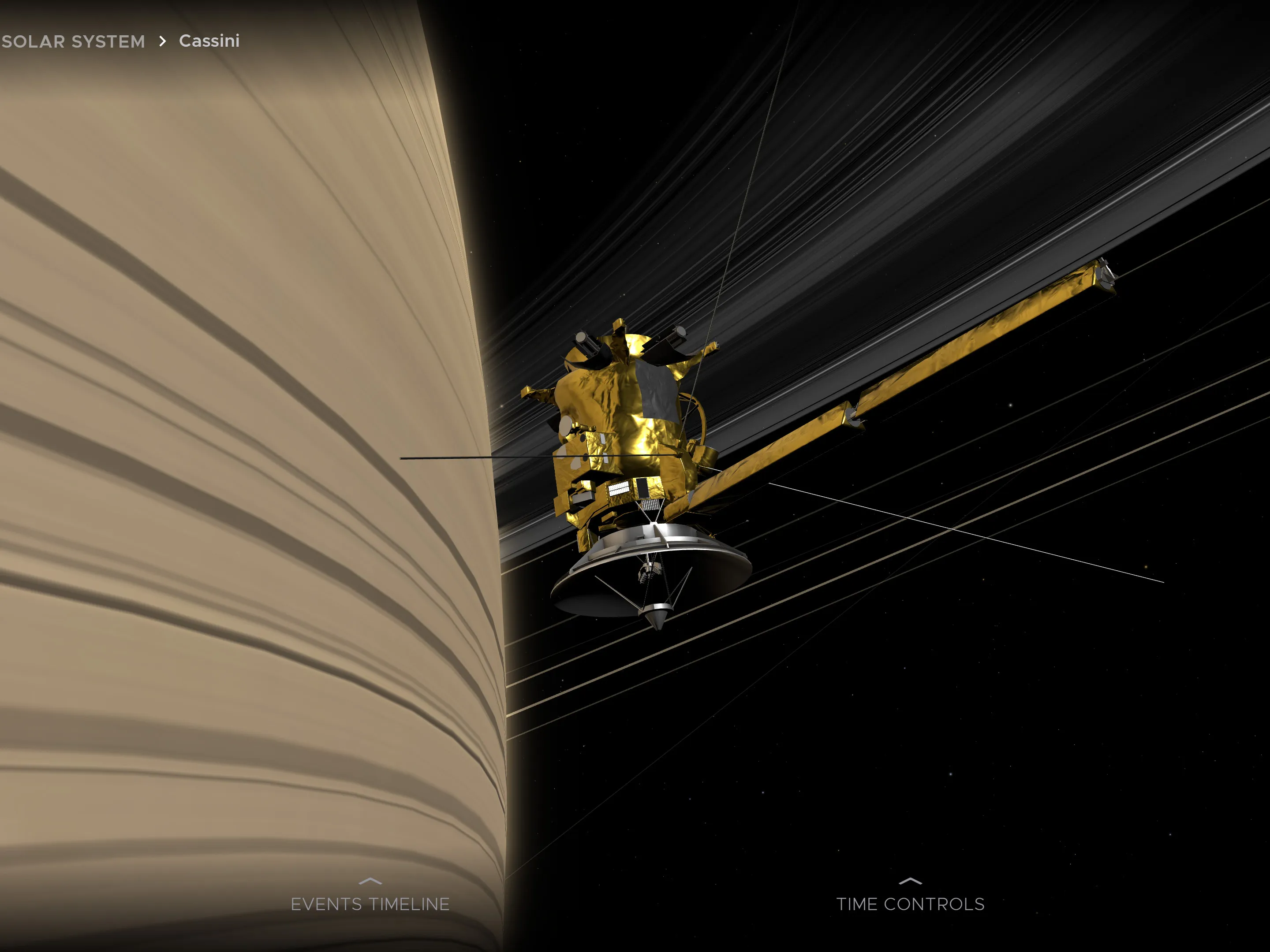
This simulated live view of the solar system allows you to explore
the planets, their moons, asteroids, comets and the spacecraft
interacting with them in 3D. You can also fast-forward or rewind
time, and explore the solar system as it looked from 1950 to 2050,
complete with past and future NASA missions.
You can follow over 150 NASA missions from start to finish with this
browser-based 3D simulation that uses the most accurate data and
imagery possible. Watch the Voyager spacecraft from launch in 1977
until today, see the Cassini mission fly through the ice plumes of
Enceladus, ride along as OSIRIS-REx lands on an asteroid to scoop up
material, see the New Horizons mission take the first close pictures
of Pluto, witness the first Artemis mission circle the moon, or
preview the Europa Clipper mission. You are free to roam and
discover.
.webp)
.webp)
Track over 30,000 asteroids that are near Earth’s orbit, see the
next 5 closest approaches to Earth, and learn about current and
historic NASA asteroid and comet missions in this real-time 3D
simulation of the solar system
Try out the interactive “scrolly-telling” that lets you learn about
how we define a close approach or how we determine if an asteroid or
comet is categorized as a “Potentially Hazardous Object.” Or ride
along with NASA missions as we make historical discoveries about
asteroids and comets, such as the first time we landed on an
asteroid, or impacted a comet. See the DART mission impact with a
binary asteroid system, and much more. Eyes on Asteroids lets you
track all the latest discoveries. Lorem ipsum dolor sit amet
consectetur adipisicing elit. Atque sapiente sit temporibus esse
optio fuga, minus explicabo eveniet eum eaque placeat dolore itaque
illo assumenda ipsa voluptatibus voluptate dolorum nulla?
Fly along with NASA’s Earth science missions in real-time, monitor Earth’s vital signs like Carbon Dioxide, Ozone and Sea Level, and see satellite imagery of the latest major weather events, all in an immersive, 3D environment. Ride along with the International Space Station, and watch the sun rise and set 16 times a day. Check out the latest Carbon Monoxide data to see if there are fires around the globe, or see the latest Precipitation and Soil Moisture data. Track dozens of NASA satellites as they take data above Earth. Watch videos and animations explaining the latest data trends, or go back in time to see past data. You can select a date range and play back global imagery and data going back twenty years, including major weather events. With Eyes on the Earth, you can track Earth’s vital signs, live
.webp)
.webp)
Track over 30,000 asteroids that are near Earth’s orbit, see the
next 5 closest approaches to Earth, and learn about current and
historic NASA asteroid and comet missions in this real-time 3D
simulation of the solar system
Try out the interactive “scrolly-telling” that lets you learn about
how we define a close approach or how we determine if an asteroid or
comet is categorized as a “Potentially Hazardous Object.” Or ride
along with NASA missions as we make historical discoveries about
asteroids and comets, such as the first time we landed on an
asteroid, or impacted a comet. See the DART mission impact with a
binary asteroid system, and much more. Eyes on Asteroids lets you
track all the latest discoveries. Lorem ipsum dolor sit amet
consectetur adipisicing elit. Atque sapiente sit temporibus esse
optio fuga, minus explicabo eveniet eum eaque placeat dolore itaque
illo assumenda ipsa voluptatibus voluptate dolorum nulla?
See which spacecraft is “phoning home” with DSN Now. Every five
seconds, DSN Now updates with real-time data from the ground
stations of the Deep Space Network. Click on a dish to learn more
about the live connection between the spacecraft and the ground
Monitor space communications 24/7 to see the live communications
from space.
.webp)
This simulated live view of the solar system allows you to explore
the planets, their moons, asteroids, comets and the spacecraft
interacting with them in 3D. You can also fast-forward or rewind
time, and explore the solar system as it looked from 1950 to 2050,
complete with past and future NASA missions.
You can follow over 150 NASA missions from start to finish with this
browser-based 3D simulation that uses the most accurate data and
imagery possible. Watch the Voyager spacecraft from launch in 1977
until today, see the Cassini mission fly through the ice plumes of
Enceladus, ride along as OSIRIS-REx lands on an asteroid to scoop up
material, see the New Horizons mission take the first close pictures
of Pluto, witness the first Artemis mission circle the moon, or
preview the Europa Clipper mission. You are free to roam and
discover.
Track over 30,000 asteroids that are near Earth’s orbit, see the
next 5 closest approaches to Earth, and learn about current and
historic NASA asteroid and comet missions in this real-time 3D
simulation of the solar system
Try out the interactive “scrolly-telling” that lets you learn about
how we define a close approach or how we determine if an asteroid or
comet is categorized as a “Potentially Hazardous Object.” Or ride
along with NASA missions as we make historical discoveries about
asteroids and comets, such as the first time we landed on an
asteroid, or impacted a comet. See the DART mission impact with a
binary asteroid system, and much more. Eyes on Asteroids lets you
track all the latest discoveries. Lorem ipsum dolor sit amet
consectetur adipisicing elit. Atque sapiente sit temporibus esse
optio fuga, minus explicabo eveniet eum eaque placeat dolore itaque
illo assumenda ipsa voluptatibus voluptate dolorum nulla?
Fly along with NASA’s Earth science missions in real-time, monitor Earth’s vital signs like Carbon Dioxide, Ozone and Sea Level, and see satellite imagery of the latest major weather events, all in an immersive, 3D environment. Ride along with the International Space Station, and watch the sun rise and set 16 times a day. Check out the latest Carbon Monoxide data to see if there are fires around the globe, or see the latest Precipitation and Soil Moisture data. Track dozens of NASA satellites as they take data above Earth. Watch videos and animations explaining the latest data trends, or go back in time to see past data. You can select a date range and play back global imagery and data going back twenty years, including major weather events. With Eyes on the Earth, you can track Earth’s vital signs, live
Track over 30,000 asteroids that are near Earth’s orbit, see the
next 5 closest approaches to Earth, and learn about current and
historic NASA asteroid and comet missions in this real-time 3D
simulation of the solar system
Try out the interactive “scrolly-telling” that lets you learn about
how we define a close approach or how we determine if an asteroid or
comet is categorized as a “Potentially Hazardous Object.” Or ride
along with NASA missions as we make historical discoveries about
asteroids and comets, such as the first time we landed on an
asteroid, or impacted a comet. See the DART mission impact with a
binary asteroid system, and much more. Eyes on Asteroids lets you
track all the latest discoveries. Lorem ipsum dolor sit amet
consectetur adipisicing elit. Atque sapiente sit temporibus esse
optio fuga, minus explicabo eveniet eum eaque placeat dolore itaque
illo assumenda ipsa voluptatibus voluptate dolorum nulla?
See which spacecraft is “phoning home” with DSN Now. Every five
seconds, DSN Now updates with real-time data from the ground
stations of the Deep Space Network. Click on a dish to learn more
about the live connection between the spacecraft and the ground
Monitor space communications 24/7 to see the live communications
from space.
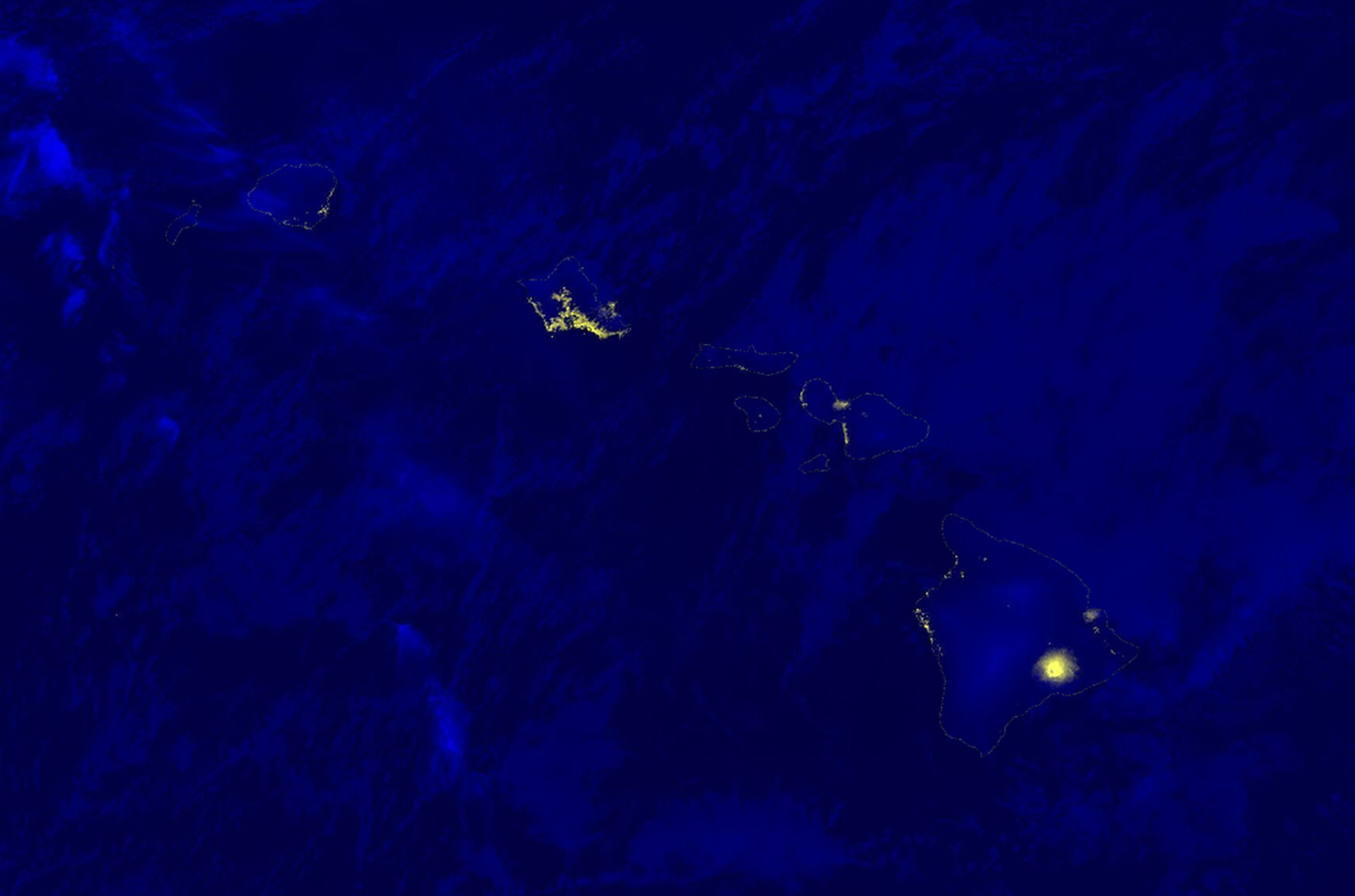
This nighttime image shows the glow of molten lava in the summit area of the Kilauea volcano (lower right), captured by the NOAA-20 satellite on Jan. 28, 2025. The glow on Oahu (near the middle of the image) comes from Honolulu’s city lights. The Jan. 28 eruption lasted around 16 hours, according to the Hawaiian Volcano Observatory, and it was the latest in a series of small eruptions that began on Dec. 23, 2024. The eruptions are occurring within a closed area of Hawai’i Volcanoes National Park.
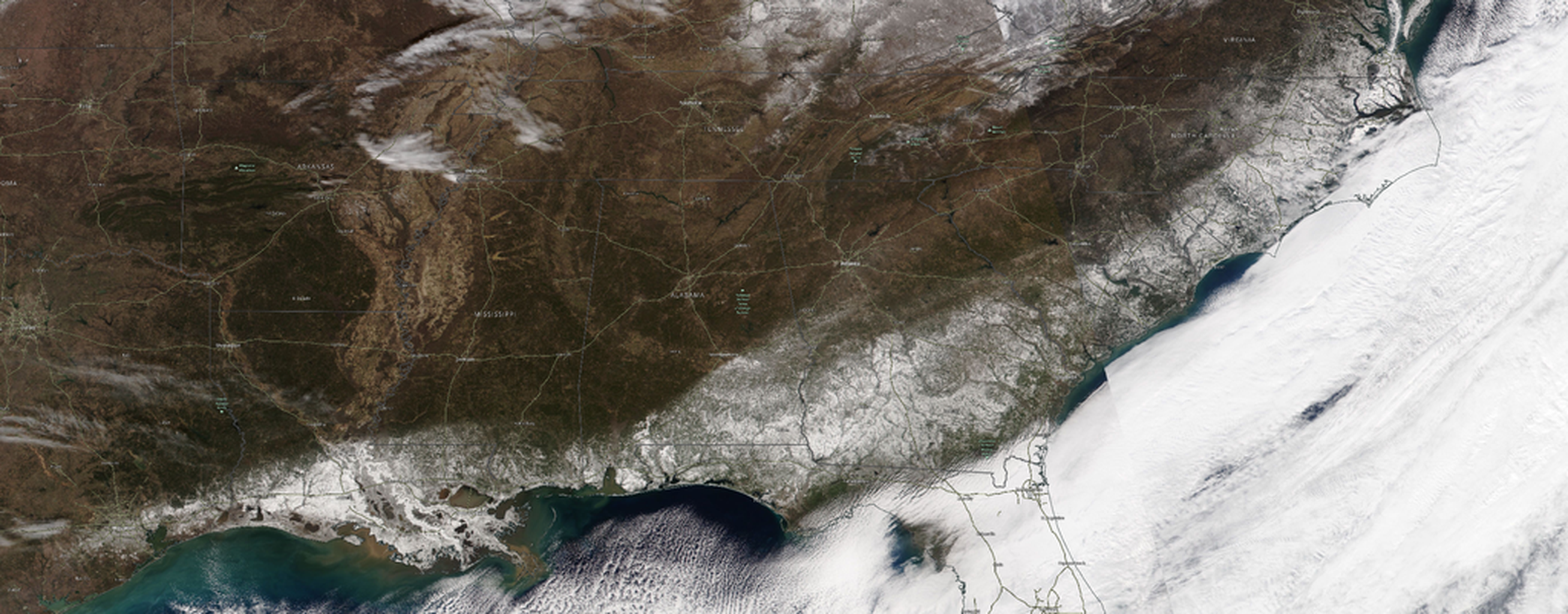
On Jan. 22, 2025, the NOAA-21 satellite captured this image of a snow-covered Southeast U.S. On Jan. 21, 2025, a rare winter storm traveled across the Gulf Coast, dumping snow from Texas through the Florida Panhandle before traveling across Georgia and the Carolinas. Many places in the region had eight or more inches of snow accumulation, with several locations setting new records, including New Orleans and Milton, Florida.


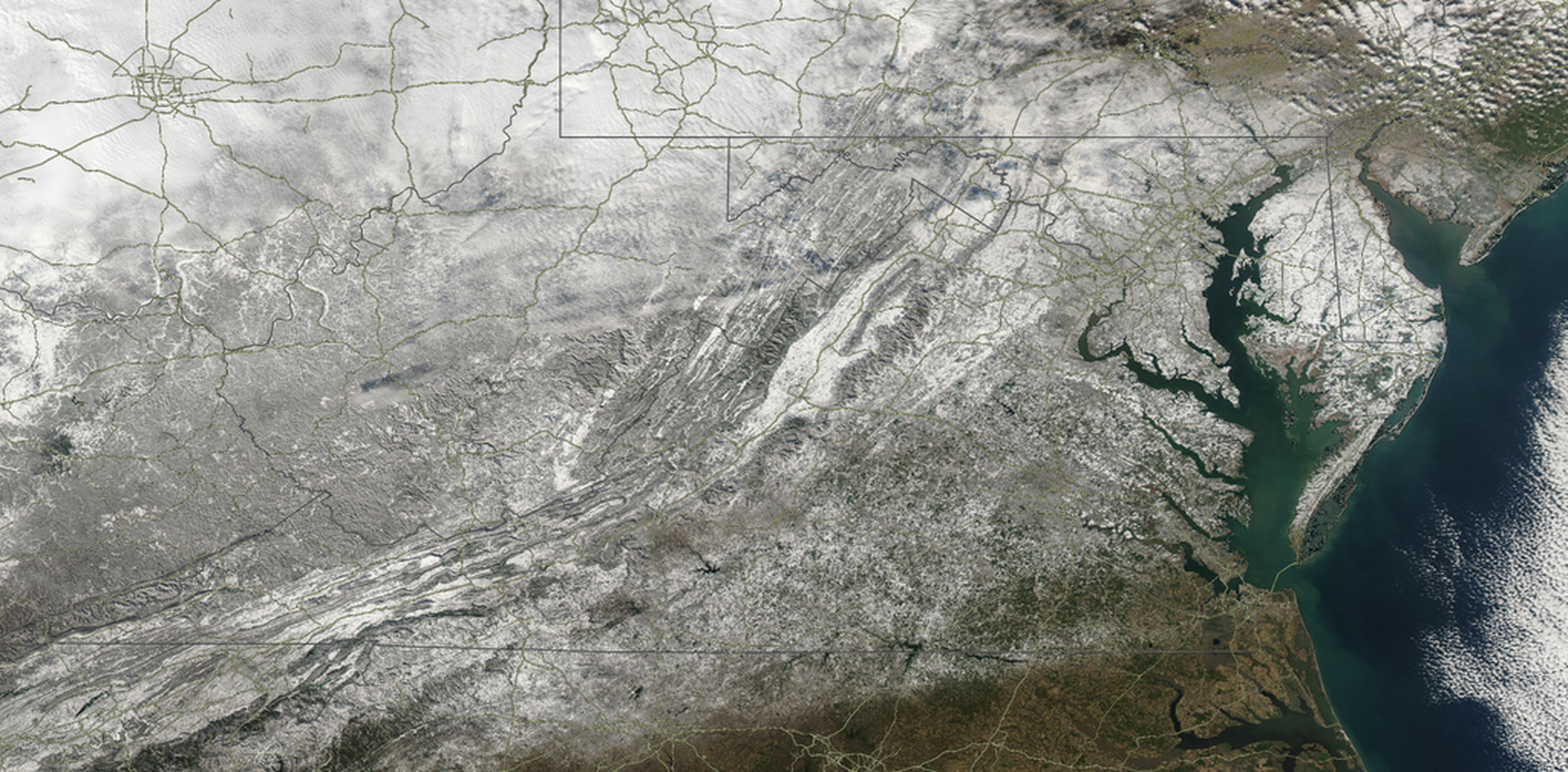
In the first week of Jan. 2025, a potent winter storm delivered snow, ice, and freezing temperatures to the central and eastern United States as seen in this image from NASA’s Aqua satellite on Jan. 12, 2025.
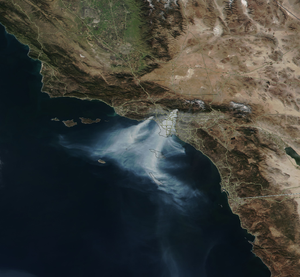
Destructive fires, fueled by a dry landscape and powerful Santa Ana winds, burned in the Los Angeles area in January 2025. Smoke from the Palisades and Eaton fires, which both broke out on Jan. 7, was visible in satellite imagery for several days after they ignited, including in this image from the Suomi NPP satellite on Jan. 9. They were the largest of several fires that burned in the area as strong winds tore through the region.

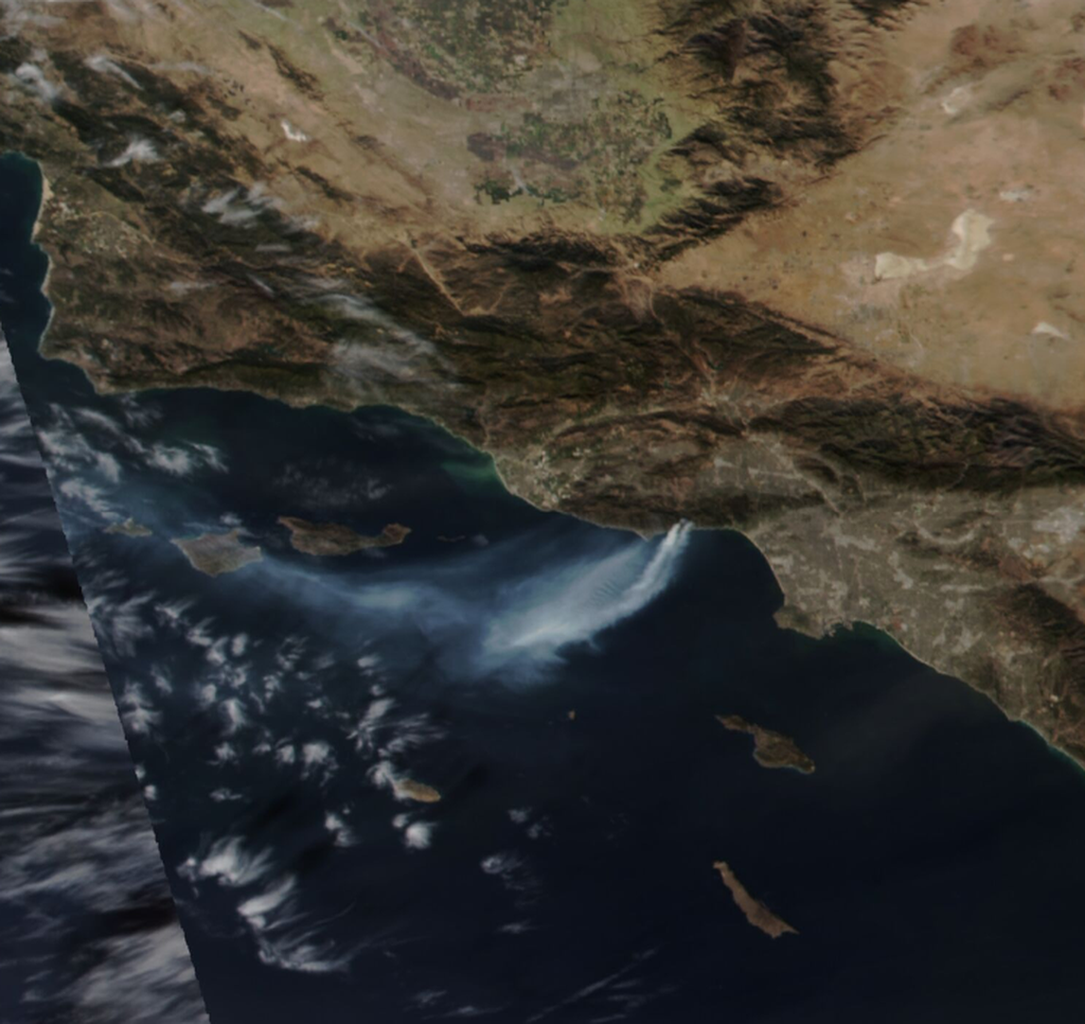
A wildfire near Malibu, California, is spreading quickly due to powerful Santa Ana winds and low humidity. This NOAA-20 satellite image from Dec. 10, 2024, shows smoke plumes spreading southwest. This illustrates the effect of the Santa Ana winds, which bring hot, dry air from inland desert regions westward toward the Pacific Ocean.
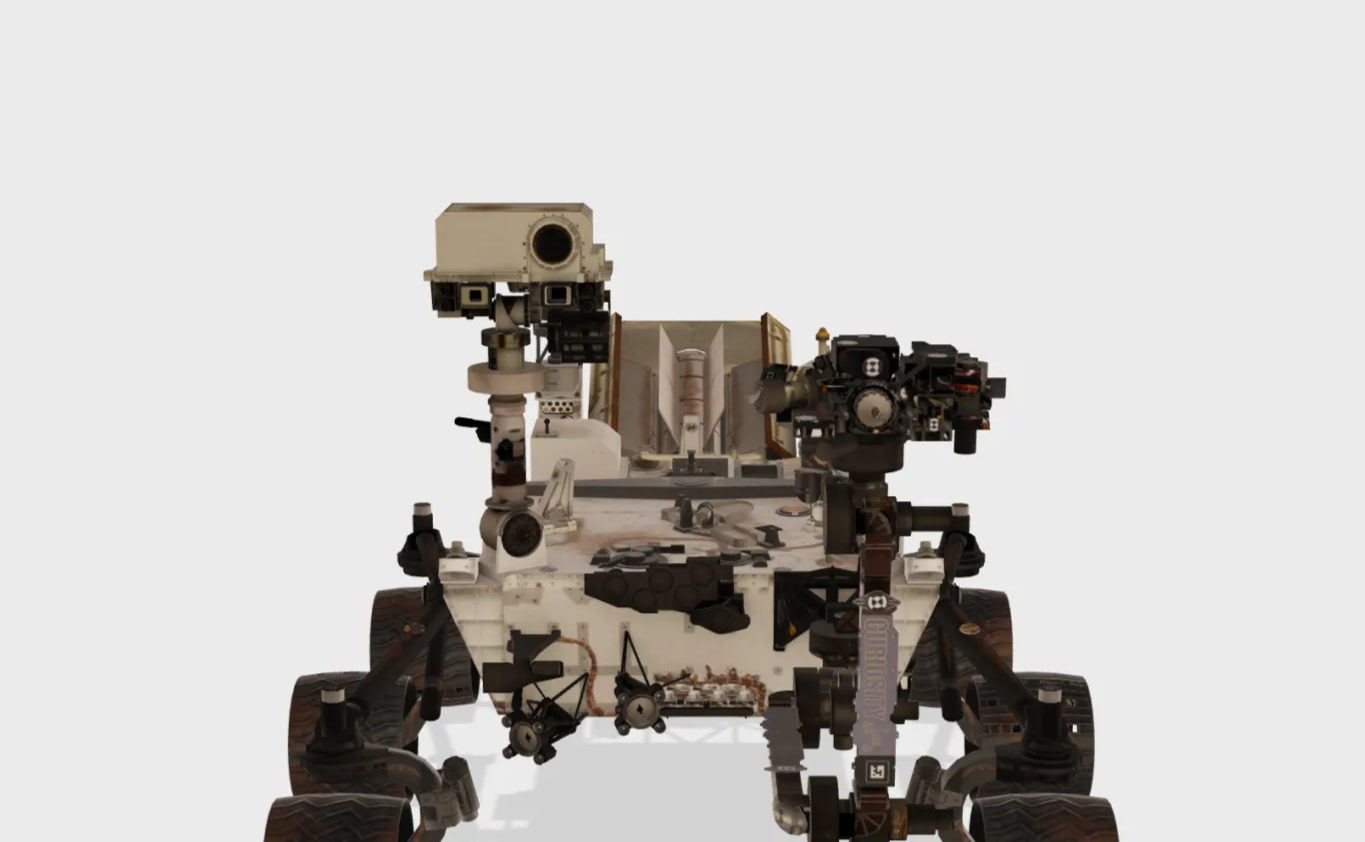
The Eyes team transforms complex mission CAD models into lightweight
models optimized for the web.
Experience Earth, our solar system, nearby asteroids, the universe,
and the spacecraft exploring them with
immersive real-time 3D
apps for Mac, PC, and mobile devices.
.webp)
This simulated view of the solar system allows you to explore the planets, their moons, asteroids, comets and the spacecraft exploring them. You can also fast-forward or rewind time, and explore the solar system as it looked from 1950 to 2050.
This simulated view of the solar system allows you to explore the planets, their moons, asteroids, comets and the spacecraft exploring them. You can also fast-forward or rewind time, and explore the solar system as it looked from 1950 to 2050.
This simulated view of the solar system allows you to explore the planets, their moons, asteroids, comets and the spacecraft exploring them. You can also fast-forward or rewind time, and explore the solar system as it looked from 1950 to 2050.
.webp)
This simulated view of the solar system allows you to explore the planets, their moons, asteroids, comets and the spacecraft exploring them. You can also fast-forward or rewind time, and explore the solar system as it looked from 1950 to 2050.
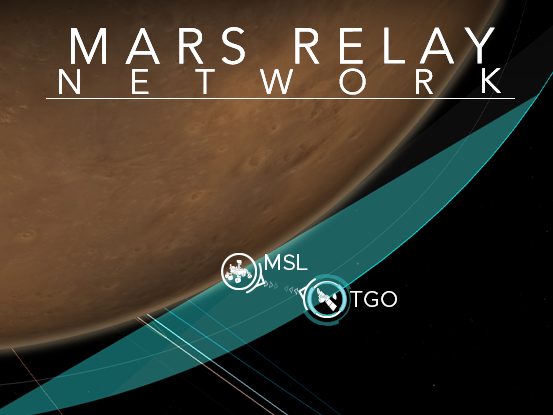
This simulated view of the solar system allows you to explore the planets, their moons, asteroids, comets and the spacecraft exploring them. You can also fast-forward or rewind time, and explore the solar system as it looked from 1950 to 2050.
This simulated view of the solar system allows you to explore the planets, their moons, asteroids, comets and the spacecraft exploring them. You can also fast-forward or rewind time, and explore the solar system as it looked from 1950 to 2050.
This simulated view of the solar system allows you to explore the planets, their moons, asteroids, comets and the spacecraft exploring them. You can also fast-forward or rewind time, and explore the solar system as it looked from 1950 to 2050.
This simulated view of the solar system allows you to explore the planets, their moons, asteroids, comets and the spacecraft exploring them. You can also fast-forward or rewind time, and explore the solar system as it looked from 1950 to 2050.
This simulated view of the solar system allows you to explore the planets, their moons, asteroids, comets and the spacecraft exploring them. You can also fast-forward or rewind time, and explore the solar system as it looked from 1950 to 2050.
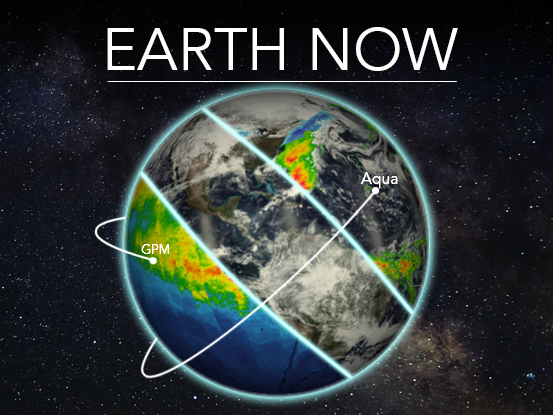
This simulated view of the solar system allows you to explore the planets, their moons, asteroids, comets and the spacecraft exploring them. You can also fast-forward or rewind time, and explore the solar system as it looked from 1950 to 2050.
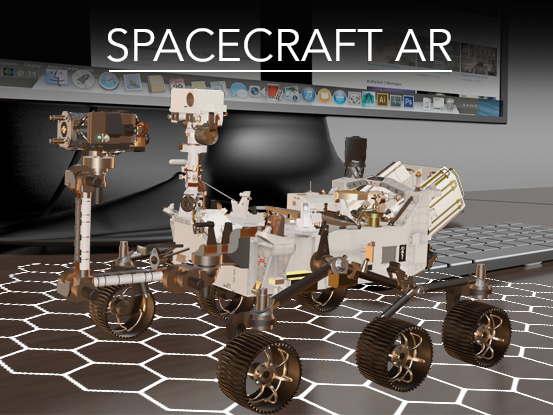
This simulated view of the solar system allows you to explore the planets, their moons, asteroids, comets and the spacecraft exploring them. You can also fast-forward or rewind time, and explore the solar system as it looked from 1950 to 2050.
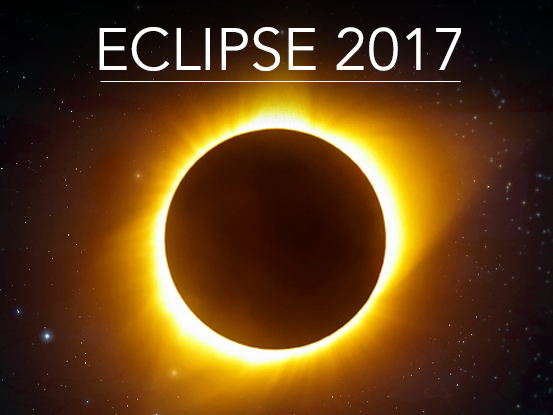
This simulated view of the solar system allows you to explore the planets, their moons, asteroids, comets and the spacecraft exploring them. You can also fast-forward or rewind time, and explore the solar system as it looked from 1950 to 2050.
The Near Space Network Space Relay provides near-constant
communication through a constellation of GEOsynchronous satellites.
The Near Space Network Space Relay provides near-constant
communication through a constellation of GEOsynchronous satellites.
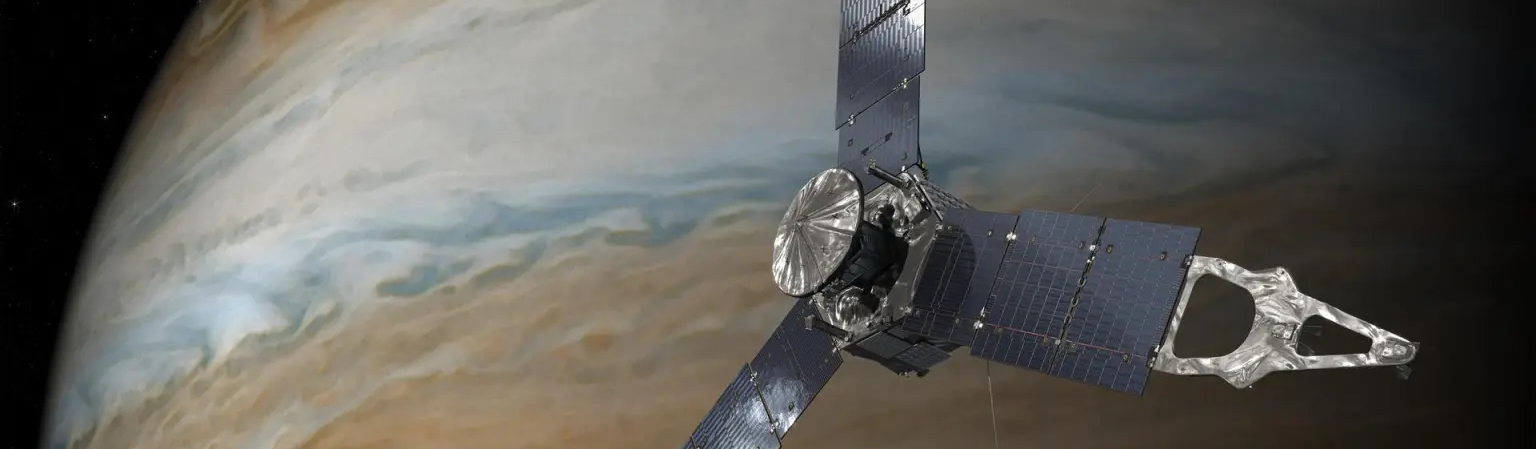
We will never share your email address.
NASA is a global leader in studying
Earth’s changing climate.