Capturing NASA’s most iconic moments takes more than just a good
camera;
it takes experience, timing, and a sharp eye. In the latest episode of
"Small
Steps, Giant Leaps," Bill Ingalls, senior photographer for NASA
Headquarters
in Washington, discusses the importance of visual storytelling.
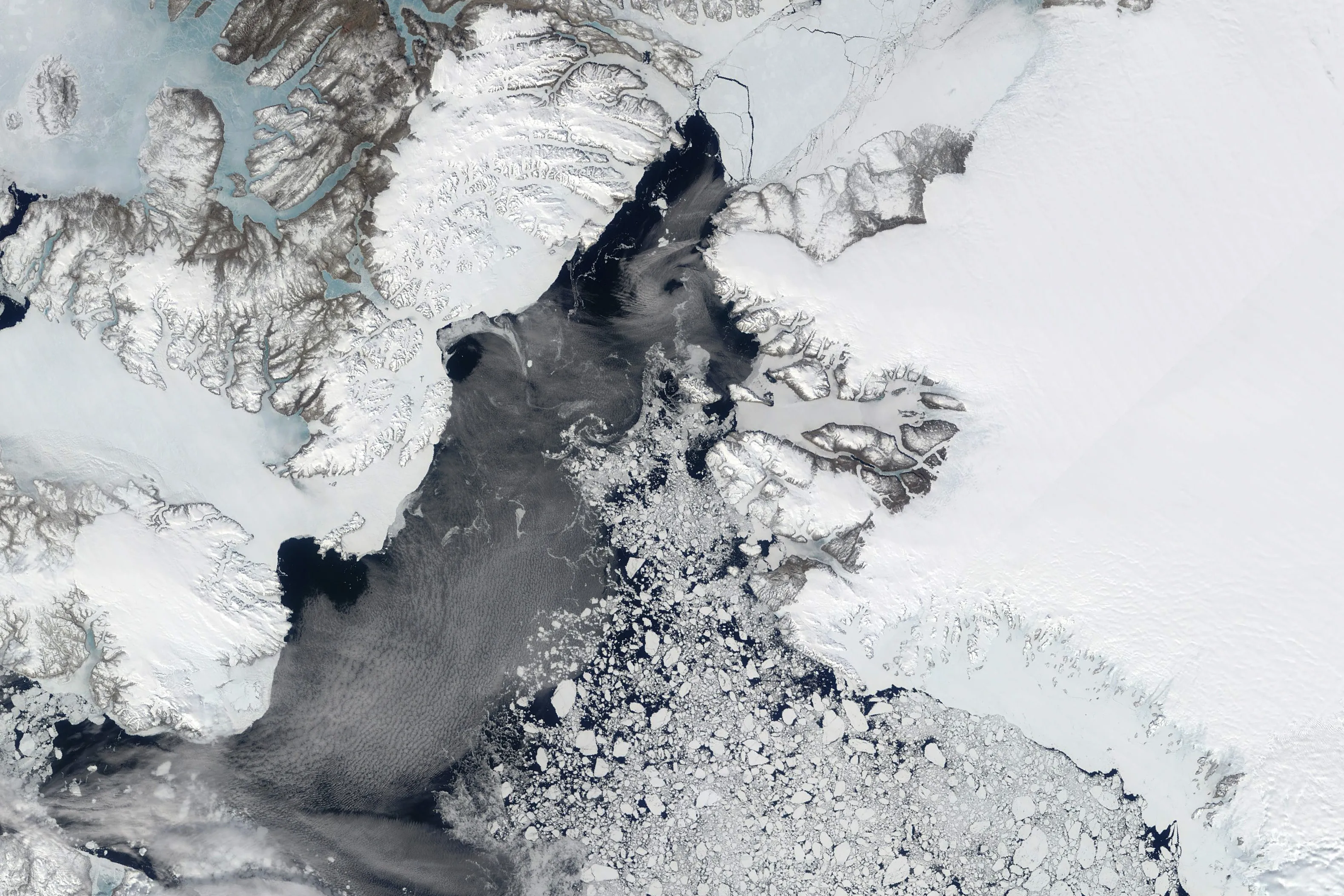
For more than 50 years, NASA satellites have provided data on Earth's land, water, air, temperature, and climate. NASA's Earth Information Center allows visitors to see how our planet is changing in six key areas: sea level rise and coastal impacts, health and air quality, wildfires, greenhouse gases, sustainable energy, and agriculture.For more than 50 years, NASA satellites have provided data on Earth's land, water, air, temperature, and climate. NASA's Earth Information Center allows visitors to see how our planet is changing in six key areas: sea level rise and coastal impacts, health and air quality, wildfires, greenhouse gases, sustainable energy, and agriculture.
For more than 50 years, NASA satellites have provided data on Earth's
land,
water, air, temperature, and climate. NASA's Earth Information Center
allows
visitors to see how our planet is changing in six key areas: sea level
rise and
coastal impacts, health and air quality, wildfires, greenhouse gases,
sustainable energy, and agriculture.
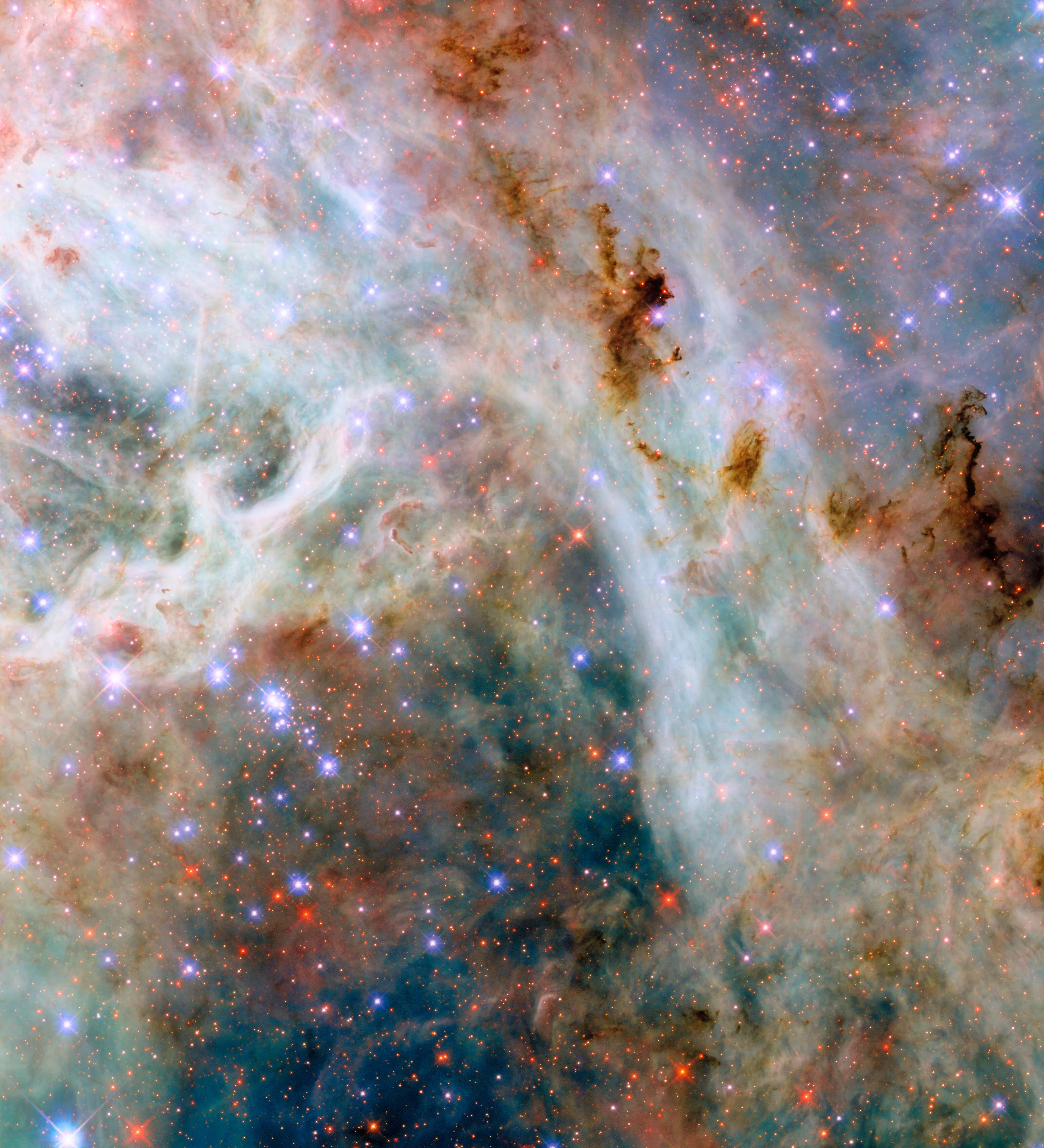
This NASA/ESA Hubble Space Telescope reveals clouds of gas and dust near the Tarantula Nebula, located in the Large Magellanic Cloud about 160,000 light-years away.